Developing good writing habits is essential for anyone looking to improve their writing skills, whether you're a student, professional, or avid writer. In this tutorial, you will learn how to cultivate effective writing habits that will help you grow your ideas, enhance your writing style, and increase your productivity. By following these steps, you'll be able to develop a writing habit that will serve you well in all your writing endeavors. From setting writing goals to creating a writing routine, we'll cover everything you need to know to become a better writer.
Step 1: Setting Writing Goals and Objectives: Developing a Writing Habit
To develop good writing habits, you need to start by setting clear writing goals and objectives. What do you want to achieve through your writing? Do you want to write a novel, a blog, or academic papers? Having a clear idea of what you want to accomplish will help you stay focused and motivated. For example, if you want to write a novel, your goal might be to write 500 words per day, 3 times a week. 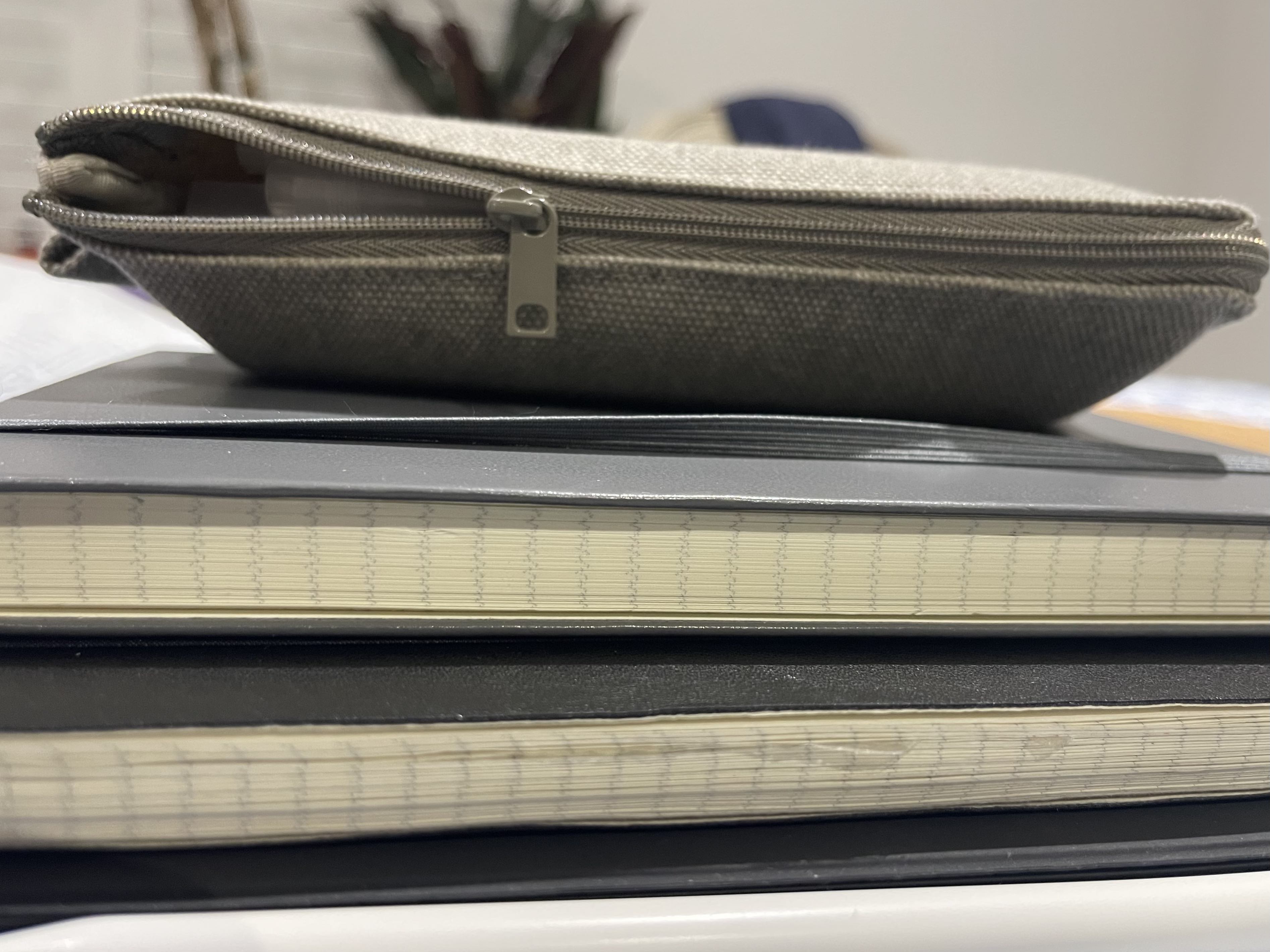 Make sure your goals are specific, measurable, achievable, relevant, and time-bound (SMART) so you can track your progress and stay on track.
Step 2: Creating a Writing Routine: Growing Your Writing Habit
Establishing a writing routine is crucial for developing good writing habits. Choose a specific time and place to write each day or week, and stick to it. Consistency is key when it comes to building a writing habit. Consider your lifestyle and schedule when creating your writing routine. If you're a morning person, you might want to write first thing in the morning. If you're a night owl, you might prefer to write in the evening. The important thing is to find a time that works for you and your schedule.  Make sure your writing space is comfortable, quiet, and free from distractions so you can focus on your writing.
Step 3: Developing a Pre-Writing Routine: Enhancing Your Writing Habit
A pre-writing routine can help you get into the right mindset for writing. This might include activities such as reading, meditating, or exercise. Having a pre-writing routine can help you warm up your writing muscles, so to speak, and get your creative juices flowing. For example, you might start by reading a chapter in a book related to your writing topic, or doing some stretching exercises to get your blood flowing. 
Step 4: Overcoming Writer's Block: Maintaining Your Writing Habit
Writer's block is a common obstacle that many writers face. It's that feeling of being stuck, unable to think of what to write or how to proceed. To overcome writer's block, try changing your environment, taking a break, or doing some freewriting. Freewriting involves writing whatever comes to mind without stopping or worrying about grammar or spelling. This can help you loosen up and get your creative juices flowing again. 
Step 5: Editing and Revising: Refining Your Writing Habit
Once you've completed your first draft, it's time to edit and revise. This is an essential part of the writing process, as it helps you refine your ideas, clarify your writing, and ensure that your message is conveyed effectively. Start by taking a break from your writing, then come back to it with fresh eyes. Read your work aloud, and make revisions as needed. 
Step 6: Seeking Feedback: Expanding Your Writing Habit
Finally, don't be afraid to seek feedback from others. Whether it's a writing group, a mentor, or a beta reader, getting feedback on your work can help you identify areas for improvement and refine your writing skills. Be open to constructive criticism, and use it as an opportunity to learn and grow. 
Frequently Asked Questions:
Q: How long does it take to develop good writing habits?
A: Developing good writing habits takes time and practice. It's a process that requires patience, dedication, and persistence.
Q: What if I don't have time to write every day?
A: Even small amounts of writing can be beneficial. Try to write for at least 15-20 minutes per day, even if it's just a few sentences.
Q: How do I overcome writer's block?
A: Try changing your environment, taking a break, or doing some freewriting. Remember, writer's block is a normal part of the writing process, and it's not a reflection of your abilities as a writer.
By following these steps and practicing consistently, you can develop good writing habits that will serve you well in all your writing endeavors. Remember, developing a writing habit takes time and effort, but it's worth it in the end. With persistence, patience, and dedication, you can become a better writer and achieve your writing goals.
Good Writing Habits: Tips For Every Aspiring Author - Adazing

Good Writing Habits: Tips for Every Aspiring Author - Adazing
Build Good Writing Habits - DIY MFA

Build Good Writing Habits - DIY MFA
8 Good Writing Habits You Should Learn | BUHAVE

8 Good Writing Habits You Should Learn | BUHAVE